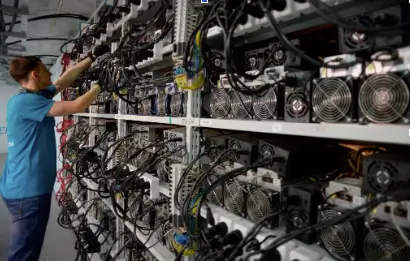
Cryptocurrency mining has transformed into a sophisticated, technology-driven industry where success depends heavily on choosing the right infrastructure. Whether you’re a beginner setting up your first rig or an investor planning a large-scale mining farm, understanding the full ecosystem of mining equipment for cryptocurrency is essential.
From individual mining rigs to fully containerized data centers, today’s mining operations require a balance of performance, efficiency, and scalability. This guide breaks down everything you need to know about mining equipment crypto, including hardware types, farm setups, and how to scale into industrial-level mining using modern solutions like containers.
What Is Cryptocurrency Mining Equipment?
At its core, mining equipment for cryptocurrency refers to the hardware and systems used to validate blockchain transactions and earn rewards. These systems perform complex mathematical calculations, requiring immense computational power and energy efficiency.
Modern mining setups are no longer just single machines—they are integrated ecosystems combining processing units, power supplies, cooling systems, and network infrastructure.
Types of Mining Equipment for Cryptocurrency
Understanding the different types of mining equipment crypto is the first step in building a profitable operation.
1. ASIC Miners (Application-Specific Integrated Circuits)
ASIC miners are specialized devices designed specifically for mining cryptocurrencies like Bitcoin.
Key Features:
- Extremely high hash rate (TH/s)
- Optimized for specific algorithms (e.g., SHA-256 for Bitcoin)
- High energy efficiency compared to other hardware
Pros:
- Best performance for Bitcoin mining
- Lower electricity cost per hash
- Industry-standard for professional miners
Cons:
- Expensive upfront investment
- Limited flexibility (cannot mine multiple algorithms)
Today, most bitcoin mining equipment used in professional setups consists of ASIC miners due to their unmatched efficiency and profitability.
2. GPU Mining Rigs
GPU (Graphics Processing Unit) rigs use multiple graphics cards to mine cryptocurrencies.
Key Features:
- Flexible and can mine various coins
- Modular setup with multiple GPUs
- Suitable for altcoins like Ethereum (historically)
Pros:
- Versatile and adaptable
- Easier to upgrade or resell
- Lower entry cost compared to ASIC farms
Cons:
- Lower efficiency for Bitcoin
- Higher power consumption per hash
- Less competitive in modern BTC mining
GPU rigs remain relevant for diversified mining strategies but are rarely used for Bitcoin today.
3. CPU Mining (Basic but Obsolete)
CPU mining uses a computer’s processor for mining. While it played a role in early cryptocurrency days, it is no longer viable due to low performance.
4. FPGA Miners (Field-Programmable Gate Arrays)
FPGAs offer a middle ground between GPUs and ASICs.
Pros:
- Better efficiency than GPUs
- Customizable for specific tasks
Cons:
- Complex setup
- Expensive and less accessible
- Still less efficient than ASICs for Bitcoin
5. Power Supply Units (PSUs)
A crucial but often overlooked component of mining equipment for cryptocurrency is the PSU.
Why It Matters:
- Provides stable power to mining hardware
- Impacts overall efficiency and safety
- Determines how many machines you can run
High-quality PSUs are essential for maintaining uptime and protecting your investment.
How Mining Rigs Work
Mining rigs are the building blocks of any crypto mining operation. A mining rig combines multiple components to deliver the computational power required for mining.
Components of a Mining Rig:
- ASIC miners or GPUs
- Motherboard
- Power Supply Unit (PSU)
- Cooling system (fans or liquid cooling)
- Storage and RAM
- Internet connection
These components work together to handle high computational loads, ensuring consistent performance and efficiency. Modern rigs are designed to run 24/7, making durability and thermal management critical.
Setting Up a Mining Farm
A mining farm is a collection of multiple mining rigs working together to increase overall hash rate and profitability.
Key Elements of a Mining Farm:
1. Location
Choosing the right location is critical:
- Low electricity cost
- Cool climate (reduces cooling expenses)
- Stable internet connection
2. Power Infrastructure
Mining farms consume large amounts of electricity. Proper planning includes:
- Electrical capacity upgrades
- Backup power systems
- Efficient power distribution
3. Cooling Systems
Heat is a major challenge in mining farms. Common cooling methods include:
- Air cooling (fans and ventilation)
- Liquid cooling
- Immersion cooling for large-scale operations
4. Network and Monitoring
Efficient farms use monitoring systems to:
- Track performance
- Detect hardware failures
- Optimize operations
The Role of Mining Containers
Mining containers are revolutionizing how large-scale mining operations are deployed and managed.
What Is a Mining Container?
A mining container is a portable, pre-configured unit that houses mining equipment, power systems, and cooling infrastructure.
Benefits of Mining Containers
1. Scalability
Containers allow miners to expand operations quickly by adding more units.
2. Mobility
They can be deployed in locations with cheap electricity, such as near renewable energy sources.
3. Efficient Cooling
Designed with optimized airflow and temperature control systems.
4. Plug-and-Play Setup
Pre-built infrastructure reduces setup time and complexity.
Use Cases
- Remote mining farms
- Renewable energy integration
- Industrial-scale operations
Mining containers are becoming a preferred solution for companies looking to scale their mining equipment crypto operations efficiently.
Scaling from Small Rigs to Industrial Mining
Scaling is a key goal for many miners. Here’s how operations typically grow:
Stage 1: Beginner Setup
- 1–2 mining rigs
- Home or small office setup
- Basic cooling and power requirements
Stage 2: Intermediate Mining
- Multiple rigs (5–20 units)
- Dedicated mining space
- Improved cooling and monitoring systems
Stage 3: Advanced Mining Farm
- Dozens to hundreds of machines
- Industrial power infrastructure
- Advanced cooling solutions
Stage 4: Containerized or Industrial Mining
- Hundreds to thousands of ASIC miners
- Mining containers or warehouses
- Automated management systems
At this stage, operations rely heavily on high-performance bitcoin mining equipment and optimized infrastructure.
See also: AI Advancements in 2026: Shaping the Future of Technology
Key Factors When Choosing Mining Equipment
Selecting the right mining equipment for cryptocurrency involves evaluating several factors:
1. Hash Rate
Higher hash rate increases your chances of earning rewards.
2. Energy Efficiency
Measured in Joules per Terahash (J/TH), efficiency determines electricity costs.
3. Cost vs Performance
Balance upfront cost with long-term profitability.
4. Reliability
Choose hardware with proven durability and manufacturer support.
5. Compatibility
Ensure your equipment integrates well with your setup and infrastructure.
Maximizing ROI with the Right Equipment
To get the most out of your mining equipment crypto, follow these best practices:
Optimize Energy Usage
Electricity is the biggest operational cost. Consider:
- Renewable energy sources
- Energy-efficient hardware
- Strategic location
Join Mining Pools
Mining pools provide consistent payouts by combining resources.
Monitor Performance
Use software tools to track:
- Hash rate
- Temperature
- Power consumption
Upgrade Regularly
Mining hardware becomes outdated quickly. Stay competitive by upgrading to newer bitcoin mining equipment when necessary.
Common Challenges in Crypto Mining
Despite its potential, mining comes with challenges:
- High initial investment
- Rising mining difficulty
- Regulatory uncertainties
- Hardware maintenance
- Heat and noise management
Understanding these challenges helps you plan a more resilient mining strategy.
Future of Mining Equipment Crypto
The future of mining equipment for cryptocurrency is focused on:
- Greater energy efficiency
- Integration with renewable energy
- AI-driven optimization
- Expansion of containerized mining
- Sustainable mining practices
As the industry evolves, miners who adopt advanced technologies will gain a competitive edge.
Final Thoughts
The world of cryptocurrency mining is complex, but with the right approach, it can be highly rewarding. From basic rigs to large-scale containerized farms, choosing the right mining equipment crypto is the foundation of success.
Modern mining rigs combine powerful ASICs or GPUs with robust power and cooling systems to handle intense computational demands. As operations grow, mining farms and containers provide the scalability needed to stay competitive.
Whether you’re just starting or planning to expand, investing in efficient and reliable bitcoin mining equipment will significantly impact your profitability. By understanding the different types of equipment, optimizing your setup, and scaling strategically, you can build a mining operation that delivers strong and sustainable returns over time.