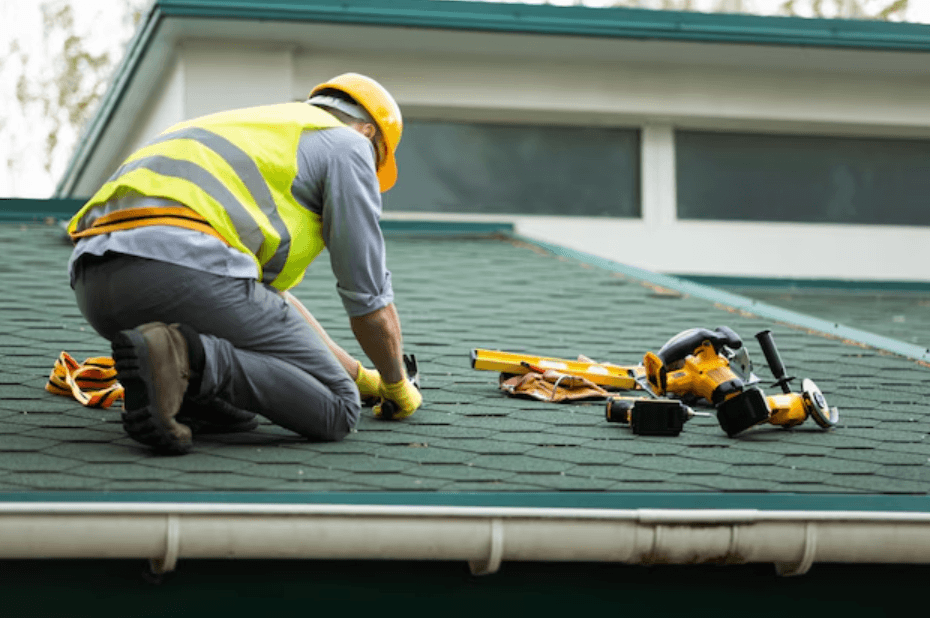
Commercial properties face constant exposure to changing weather conditions, moisture buildup, temperature fluctuations, and environmental wear. Roofing systems play a major role in protecting businesses, employees, equipment, and daily operations from unexpected disruptions. As building standards continue to evolve, property owners are focusing more attention on preventative maintenance, durable materials, and proactive roofing strategies that support long-term structural reliability.
The growing demand for emergency roof leak repair highlights how important fast response solutions have become for commercial facilities. Businesses are prioritizing roofing systems that can handle severe weather, improve energy efficiency, and reduce operational interruptions. Facility Network understands the importance of maintaining dependable roofing solutions and professional roof repair services that help commercial properties stay protected throughout every season.
Seasonal Weather Challenges Affect Commercial Roofs
Commercial roofs are exposed to a wide range of environmental conditions throughout the year. Heavy rain, strong winds, intense sunlight, humidity, and debris accumulation can gradually weaken roofing materials and compromise structural performance.
Seasonal changes often create stress points that may go unnoticed until visible damage appears. Water infiltration, membrane deterioration, and flashing failures are common issues that can affect commercial buildings if left unaddressed.
Property managers are becoming more proactive by investing in regular inspections and preventive maintenance plans. Early detection allows businesses to avoid larger disruptions and maintain safer environments for employees and visitors.
Common seasonal roofing concerns include:
- Water pooling after storms
- Cracked roofing membranes
- Blocked drainage systems
- Moisture intrusion
- Flashing deterioration
- Wind-related material damage
- UV exposure weakening surfaces
Understanding seasonal risks helps businesses take the right steps to protect their facilities year-round.
Preventive Maintenance Is Becoming a Priority
Preventive maintenance has become one of the most important trends in commercial property management. Rather than waiting for major problems to appear, businesses are focusing on regular evaluations that help identify smaller concerns before they escalate.
Routine inspections allow roofing professionals to detect signs of wear, moisture buildup, and structural vulnerabilities early. Maintenance programs also help extend the overall lifespan of commercial roofing systems while supporting consistent performance.
Preventive care is especially valuable for facilities with large flat roofs where water drainage issues can quickly lead to structural complications. Businesses that prioritize maintenance often experience fewer interruptions and improved operational stability.
Preventive roofing practices often include:
- Scheduled roof inspections
- Drainage system cleaning
- Sealant evaluations
- Surface debris removal
- Flashing inspections
- Moisture detection assessments
- Roof membrane monitoring
A proactive maintenance strategy helps businesses reduce risks while maintaining stronger building protection.
Sustainable Roofing Solutions Are Gaining Attention
Sustainability continues to shape commercial building improvements across multiple industries. Roofing systems are now being designed with environmental performance and energy efficiency in mind.
Reflective roofing materials are becoming increasingly popular because they help reduce heat absorption and improve indoor temperature regulation. These systems can support energy efficiency goals while creating more comfortable interior environments.
Green roofing systems are also gaining attention in urban areas. Vegetation-based roof designs help improve insulation, manage stormwater, and support environmental initiatives. Businesses are exploring sustainable roofing options as part of broader efforts to improve operational responsibility.
Sustainable roofing trends include:
- Reflective roof coatings
- Energy-efficient insulation systems
- Green roofing installations
- Environmentally friendly materials
- Solar-ready roofing structures
- Improved water management systems
- Heat reduction technologies
Commercial property owners are recognizing the long-term value of environmentally conscious roofing strategies.
Technology Is Improving Roof Inspections
Advancements in technology are transforming how commercial roofs are inspected and maintained. Modern inspection methods provide more accurate insights into roof conditions while improving efficiency and safety.
Drone technology has become increasingly useful for evaluating large commercial properties. Aerial inspections help identify visible damage, drainage concerns, and material wear without disrupting building operations.
Thermal imaging is another valuable tool that allows professionals to detect hidden moisture and insulation problems. These technologies support faster assessments and more precise maintenance planning.
Roofing technologies helping businesses include:
- Drone inspection systems
- Thermal imaging equipment
- Moisture detection technology
- Digital roof mapping
- Real-time monitoring tools
- Predictive maintenance software
- Advanced weather tracking systems
Technology-driven inspections help businesses make informed decisions about roof maintenance and repairs.
Storm Preparedness Is More Important Than Ever
Extreme weather events are increasing in frequency across many regions, making storm preparedness a major priority for commercial properties. Businesses are taking additional steps to strengthen roofing systems against severe environmental conditions.
Strong winds, hail, and heavy rainfall can cause sudden roofing failures that interrupt business operations and threaten property safety. Preparing roofing systems before severe weather arrives helps reduce potential damage and improve building resilience.
Emergency response planning is also becoming more common among commercial property owners. Fast access to professional roofing support can help minimize structural risks during urgent situations.
Storm preparedness strategies may include:
- Reinforced roofing materials
- Drainage system improvements
- Emergency response planning
- Routine structural evaluations
- Protective roof coatings
- Secure flashing installations
- Debris management programs
Businesses that prepare for severe weather are often better positioned to protect operations and property assets.
Roofing Materials Continue to Evolve
Commercial roofing materials have advanced significantly in recent years. Manufacturers are developing stronger, more durable products designed to withstand environmental stress while improving overall building performance.
Single-ply roofing membranes remain a popular choice for commercial properties due to their flexibility and durability. Metal roofing systems are also gaining popularity because of their strength and long-lasting performance.
Advanced coatings now provide improved resistance against UV exposure, moisture penetration, and temperature fluctuations. These innovations help businesses maintain stronger roofing systems with improved reliability.
Popular commercial roofing materials include:
- Single-ply membranes
- Metal roofing panels
- Modified bitumen systems
- Reflective roof coatings
- Built-up roofing systems
- Advanced waterproofing materials
- High-performance insulation products
Choosing the right materials helps businesses improve roof durability and long-term structural performance.
See also: Deep Cleaning Services Dubai: Elevate Your Home and Office Hygiene
Energy Efficiency Is Shaping Roofing Decisions
Commercial property owners are increasingly focused on energy efficiency when planning roofing improvements. Roofing systems have a direct impact on indoor temperature control and overall building performance.
Well-insulated roofs help reduce heat transfer, maintain indoor comfort, and support more efficient climate management. Reflective materials can also minimize heat absorption during warmer seasons.
Energy-efficient roofing systems contribute to improved operational sustainability while helping businesses create healthier and more comfortable indoor environments.
Energy-focused roofing features include:
- High-performance insulation
- Reflective roofing surfaces
- Ventilation improvements
- Moisture-resistant barriers
- Smart temperature management systems
- Solar integration compatibility
- Reduced heat absorption materials
Businesses are prioritizing roofing upgrades that support both performance and environmental responsibility.
Commercial Roofing Safety Standards Matter
Roof safety remains a critical concern for commercial facilities. Roofing systems must meet strict standards to protect workers, visitors, and building occupants from potential hazards.
Routine inspections help identify weak areas, water intrusion, and structural concerns that may create safety risks. Professional maintenance also ensures roofing systems remain compliant with current building regulations.
Safety planning is especially important for properties with rooftop equipment, access points, or high foot traffic areas. Proper safety measures help reduce accidents while supporting long-term roof stability.
Important roofing safety considerations include:
- Slip-resistant roof surfaces
- Secure access systems
- Routine structural inspections
- Proper drainage performance
- Fire-resistant materials
- Equipment stability checks
- Safe maintenance procedures
Maintaining strong safety standards supports reliable building operations and occupant protection.
Long-Term Planning Supports Better Roof Performance
Commercial roofing systems require long-term planning to remain reliable and efficient. Businesses are moving away from reactive approaches and adopting strategic maintenance programs designed to support future building needs.
Long-term planning helps property owners prioritize inspections, maintenance schedules, and material upgrades based on building usage and environmental exposure. This approach creates more predictable performance and stronger facility management practices.
Planning ahead also allows businesses to adapt to evolving technology and sustainability trends. Flexible roofing strategies help organizations prepare for future operational requirements without major disruptions.
Long-term roofing strategies often focus on:
- Preventive maintenance scheduling
- Ongoing performance evaluations
- Sustainable upgrade opportunities
- Structural reinforcement planning
- Weather resilience improvements
- Energy efficiency goals
- Technology integration support
Strategic planning helps businesses maintain stronger roofing systems and more dependable facilities over time.
Roofing Systems Influence Business Continuity
A reliable roofing system plays a direct role in maintaining uninterrupted business operations. Water damage, structural issues, and unexpected leaks can impact equipment, inventory, employee productivity, and customer experiences.
Commercial property owners are increasingly viewing roofing systems as essential operational assets rather than simple structural features. Reliable roofing protection helps businesses maintain smoother daily operations and reduce avoidable disruptions.
Strong roofing systems also contribute to employee confidence and customer trust. Safe and comfortable environments help businesses create positive experiences while supporting long-term organizational stability.
Benefits of dependable roofing systems include:
- Improved operational continuity
- Better indoor protection
- Reduced weather-related disruptions
- Enhanced workplace safety
- Stronger property durability
- Increased environmental performance
- Greater long-term reliability
Businesses that invest in dependable roofing solutions are often better prepared for changing operational challenges.
Conclusion
Commercial roofing continues to evolve as businesses focus on durability, sustainability, energy efficiency, and long-term operational reliability. From preventive maintenance and advanced materials to storm preparedness and smart inspection technologies, modern roofing strategies are helping commercial properties remain protected throughout every season.
As roofing demands continue to grow, businesses benefit from professional support that prioritizes structural integrity, proactive planning, and dependable performance. Facility Network recognizes the importance of helping commercial properties maintain roofing systems that support safe and efficient operations in changing environmental conditions.
If your business is looking to strengthen roof performance, improve property protection, and support long-term facility reliability, contact us today to learn how professional roofing solutions can help safeguard your commercial building.