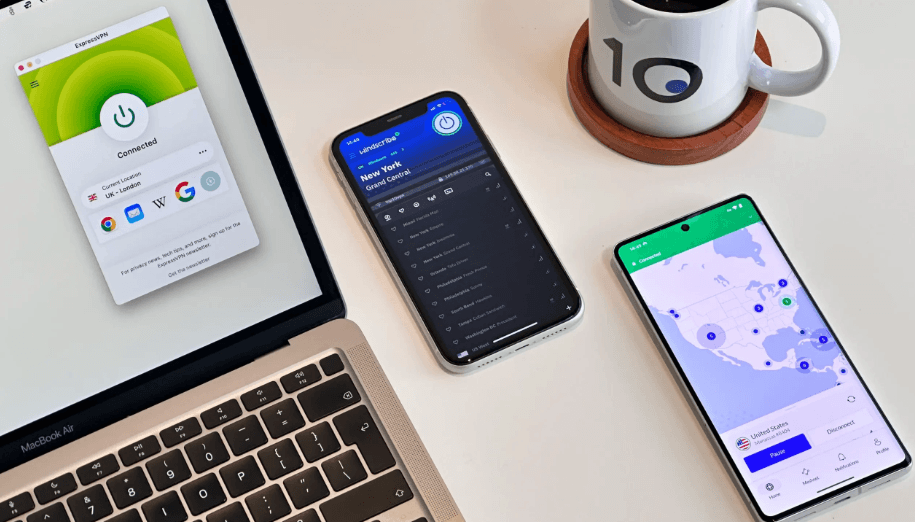
Many people in the UK use a VPN for legitimate and lawful purposes. They may want to protect their personal information from cybercriminals when using public Wi-Fi, reduce unnecessary tracking by their internet provider, or secure sensitive activities such as online banking. A reliable VPN can help with these goals while maintaining good connection speeds. The challenge is choosing a provider that genuinely protects users instead of relying on marketing claims.
Three factors matter most when selecting a VPN: real-world speed, the legal jurisdiction where the company operates, and a transparent policy about what user data it stores. These points are far more important than flashy advertising or long feature lists.
What a VPN actually changes about your connection
When you enable a VPN, your device creates an encrypted connection to a server operated by the VPN provider. Your internet service provider can still see that you are connected to the internet, but it cannot easily inspect the contents of your traffic or the websites you visit. Websites you access generally see the VPN server’s IP address instead of your own.
This additional layer of encryption is especially valuable when using public Wi-Fi in places such as cafés, airports, hotels, or libraries, where attackers may attempt to intercept unsecured connections.
For those comparing services, guides discussing the best VPN UK often place strong emphasis on privacy policies and independent security audits. A provider should clearly explain what information it collects, if any, and ideally have its claims verified by an independent audit rather than relying solely on advertising.
Speed is the part most buyers underrate
Using a VPN introduces encryption and an additional routing step, so a small reduction in speed is normal. The difference between a quality provider and a poor one may determine whether browsing, video calls, or streaming remain smooth.
Performance mainly depends on two factors:
- The VPN protocol, with modern options like WireGuard generally delivering better speeds than older protocols.
- The distance to the selected server. For someone in Manchester accessing UK-based services, a nearby UK server will usually perform better than one located overseas.
Rather than trusting promotional speed charts, test the VPN during its trial or refund period. Compare your normal internet speed with your VPN-enabled speed under similar conditions. A modest decrease is expected, while a significant slowdown may indicate a less suitable provider.
Streaming, and why it sometimes refuses to play
Some people use VPNs while travelling abroad to securely access services they already subscribe to in their home country. However, users should always respect the laws of the country they are in, the service’s terms of use, and applicable licensing agreements.
Streaming platforms regularly detect and block VPN servers, so access can change over time. A server that works today may not work tomorrow because providers continuously update their detection systems.
For this reason, streaming compatibility should be viewed as an additional feature rather than the primary reason to purchase a VPN. If this feature is important to you, choose a provider that offers a clear money-back guarantee so you can verify that it meets your needs.
See also: Latest Tech Trends 2026: What’s Shaping the Future of Technology?
What to ignore on the sales page
Many marketing terms offer little practical value. Phrases such as “bank-grade encryption” or “military-grade encryption” usually refer to widely used encryption standards like AES-256, which are already implemented by most reputable VPN providers.
Be cautious of “lifetime” subscriptions. Maintaining secure servers requires continuous investment, making extremely long-term promises difficult to sustain.
Free VPNs also deserve careful evaluation. Operating a global VPN network is expensive, and some free services may recover costs through advertising, data collection, or other business models that may not align with your privacy expectations.
Finally, pay attention to renewal pricing. Introductory discounts often expire after the first subscription period, resulting in higher renewal costs.
A simple way to choose
Treat the free trial or money-back period as your real evaluation. Connect to the servers you expect to use most often, browse normally, conduct a few speed tests, and verify that the service performs consistently.
Read the privacy policy carefully, understand what information the provider retains, and check where the company is legally based, as local laws may affect how user data is handled.
If a VPN demonstrates strong performance, transparent privacy practices, independent security verification, and meets your legitimate online security needs, it is likely a good choice. A quality VPN should quietly protect your connection in the background without disrupting your normal internet use.