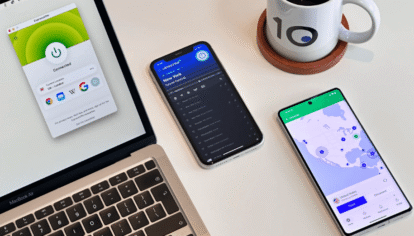
Americans living or travelling abroad often notice that familiar apps no longer work the same way. The content library changes, some services become unavailable, and live sports or news may not appear because of regional licensing. Many people use a VPN to secure their internet connection, and some also use it while accessing services linked to their home country. Before doing so, it is important to follow both local laws and the terms of service of the platform you use.
Why the block happens
Content restrictions usually exist because media companies license films, TV shows, and sporting events separately in different countries. Streaming platforms must respect those agreements and therefore display content based on the location of your internet connection.
- Your available catalogue may differ from the one in the United States.
- Live sports and news may be unavailable where broadcasting rights belong to another provider.
- Some services choose to limit access from outside the country entirely.
What a VPN actually changes
A VPN encrypts your internet traffic and routes it through another server. This improves privacy on public networks and may make your connection appear to originate from a different location. While some users rely on this to access accounts associated with their home country, it does not replace a valid subscription or guarantee access.
- Continue using your own legitimate account.
- Choose a nearby, reliable server for better performance.
- Understand that some services actively detect and block VPN traffic.
Choosing a provider that holds up
If you need a VPN for security while travelling, look for features that improve privacy and reliability rather than promises of bypassing restrictions.
- Strong encryption and a clear privacy policy.
- Fast and stable connections.
- Apps for the devices you actually use.
- Reliable customer support and regular software updates.
The trouble with smart TVs and sticks
Many smart TVs and streaming devices do not support VPN apps directly. Some users install a VPN on their home router so connected devices benefit from the encrypted connection, while others stream from a phone or laptop already using a VPN. Set everything up before travelling if possible.
Staying honest about the rules
If you access your own paid account while abroad, remember that many streaming services prohibit masking your location in their terms of service. Although using a VPN is lawful in many countries, violating a platform’s terms could lead to restricted access or other account actions.
If you want to watch US streaming services outside the US, first review the platform’s policies, maintain a genuine subscription, and avoid any activity involving shared, borrowed, or unauthorized accounts. Respecting agreements and avoiding deception aligns with Islamic principles of honesty and fulfilling contracts.
Live sports hit the hardest wall
Sports broadcasting rights are often sold separately for each region, making live sports one of the most restricted types of content.
- Rights vary by country.
- Availability can change during the season.
- Check official broadcasters in your current location before travelling.
Why a free VPN falls short here
Free VPN services often involve trade-offs that make them unsuitable for regular use.
- Slow connections can interrupt video playback.
- Limited server choices reduce reliability.
- Some free providers collect or monetize user data, reducing privacy.
See also: Latest Tech Trends 2026: What’s Shaping the Future of Technology?
Keeping your account in good standing
A few good habits help protect your account while travelling.
- Use only your own login credentials.
- Keep your payment method current.
- Download content through official offline features when available and permitted by the service.
Picking the right server city
If you use a VPN for privacy, selecting a nearby server generally provides better performance because it reduces connection distance. Faster speeds improve browsing, video calls, and other everyday online activities.
The realistic expectation
A VPN is primarily a privacy and security tool. While it may affect how some online services view your location, it should not be relied upon as a guaranteed way to bypass regional restrictions. If you plan to watch US streaming services outside the US, use legitimate subscriptions, respect the service’s terms, comply with local laws, and choose official offline viewing options whenever they are available.